
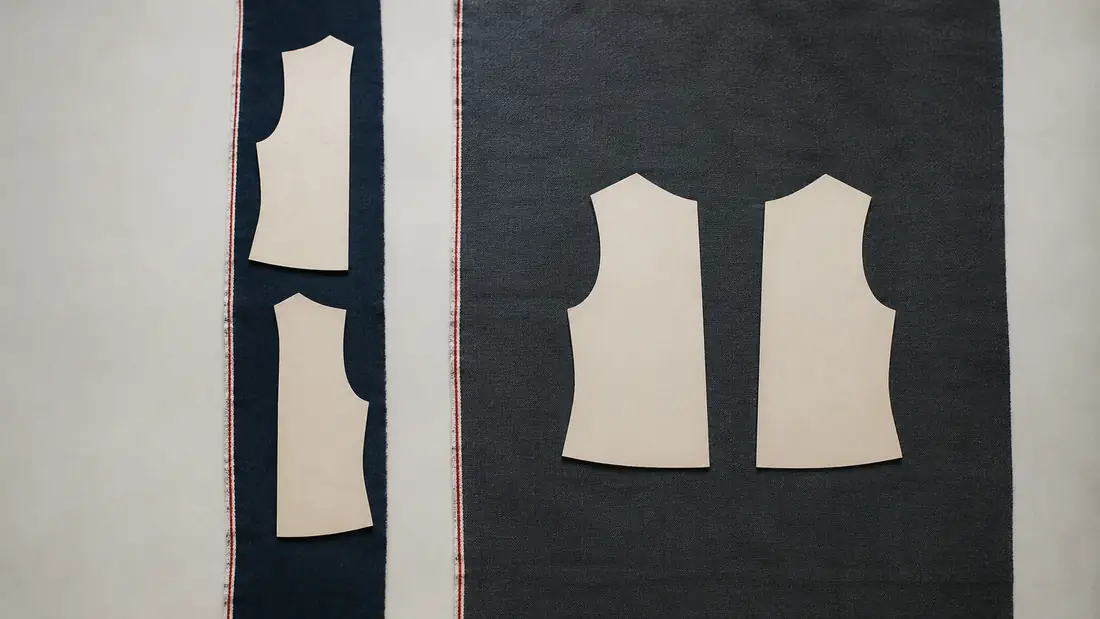
Width decides almost everything
Two pieces that sit side by side on a wide bolt have to sit one below the other on a narrow one. That single fact is usually worth a metre. It is also the question the shop will ask you first.
Fabric yardage · works without an account
Not the length of the garment. The length of the cloth. Pick what you are making, tell it how wide the bolt is, and it will show you the metres, where each one goes, and how much more to add so running short cannot happen.
Buy between
2.00–2.20
metres of cloth
A shirt in size M from 145 cm cloth. This is a range, not a figure — see what it cannot know, below.
+ 0.3 m
Buy 0.3 m more than the top of the range. If you run short, the same fabric from a different dye lot will not match — and that usually cannot be fixed. The spare is not wasted: facings, pockets and bindings all come out of it.
Ask the shop for 2.50 m
Drag it. The metres and the layout redraw as you go — width is the largest single variable in the figure, and this is the fastest way to see it.
Each piece is drawn as the rectangle it fits inside. Real pattern pieces are curved and slot into one another, so the length quoted above is below the total height of these boxes — that allowance is listed in the breakdown as part of the gaps.
These add up to 2.00 m, the bottom of the range.
| Body panelsThe shapes themselves, laid flat across 141 cm of usable cloth. | 0.93 m |
|---|---|
| SleevesThe shapes themselves, laid flat across 141 cm of usable cloth. | 0.49 m |
| Facings and placketsThe shapes themselves, laid flat across 141 cm of usable cloth. | 0.09 m |
| Cuffs, bands, pocketsThe shapes themselves, laid flat across 141 cm of usable cloth. | 0.14 m |
| Gaps between piecesCloth you pay for and do not cut. No layout fills a rectangle exactly. The drawing above shows where it goes, already allowing for the curves of one piece nesting into the hollows of the next. | 0.21 m |
| Shrinkage reserve5% held back so the garment still fits after the cloth is washed. | 0.09 m |
| Bottom of the range | 2.00 m |
Measured against the same garment cut from 150 cm plain cloth.
On 150 cm cloth the same pieces need 1.90 m. Width is the largest single variable in this figure.
The parts nobody counts when they measure the finished garment. This is the usual reason a length worked out from the garment length alone comes up short.
Pattern pieces are not rectangles and do not tile. The narrower the cloth, the worse this gets.
Held back for the wash before cutting. Natural fibres move most; the true figure depends on the cloth, which this service has no way of knowing.
| Width | Buy | Against your bolt | With the margin |
|---|---|---|---|
| 90 cm | 3.05 – 3.35 m | +1.15 m | 3.65 m |
| 110 cm | 2.80 – 3.10 m | +0.90 m | 3.40 m |
| 115 cm | 2.25 – 2.50 m | +0.30 m | 2.80 m |
| 120 cm | 2.25 – 2.50 m | +0.30 m | 2.80 m |
| 140 cm | 2.00 – 2.20 m | 0.00 m | 2.50 m |
| 150 cm | 1.70 – 1.90 m | -0.30 m | 2.20 m |
The figures above are always shown. Putting the layouts for several widths side by side on one screen, and printing the sheet to take with you, are on the paid tiers.
If you are working from a commercial paper pattern, follow the yardage table printed on its envelope instead. That table was worked out for that exact set of pieces. This one was not.
Six things go into the figure, and only one of them is the length of the finished garment. Cloth is bought by the metre off a bolt of a fixed width, and the shapes have to fit across that width before length even comes into it.
Two pieces that sit side by side on a wide bolt have to sit one below the other on a narrow one. That single fact is usually worth a metre. It is also the question the shop will ask you first.
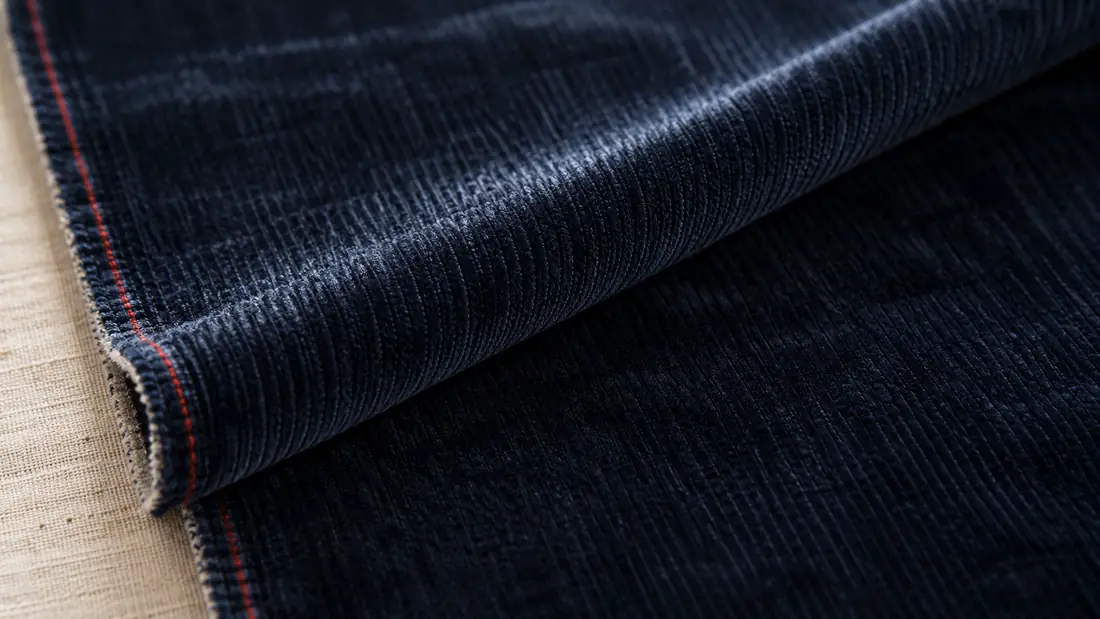
On plain cloth a cutter turns pieces head to toe to fill the gaps. On velvet, corduroy or a print with a top and a bottom, every piece has to lie the same way up, and the gaps stay empty.
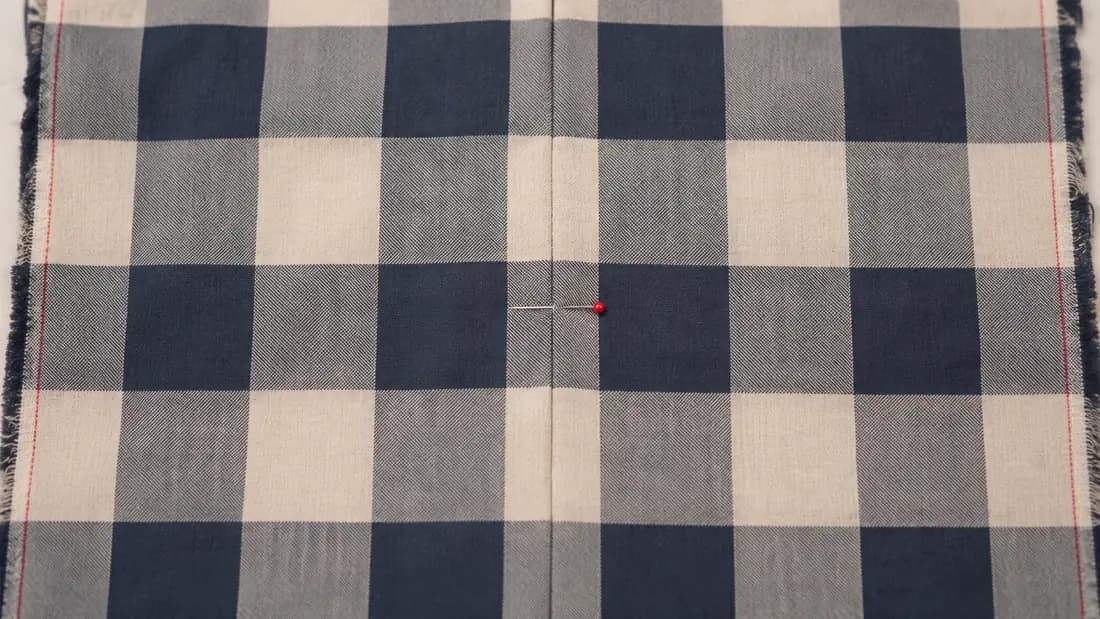
Matching a check costs up to a full repeat of the pattern at every row of pieces. A large repeat is the single most expensive thing you can ask a length of cloth to do.
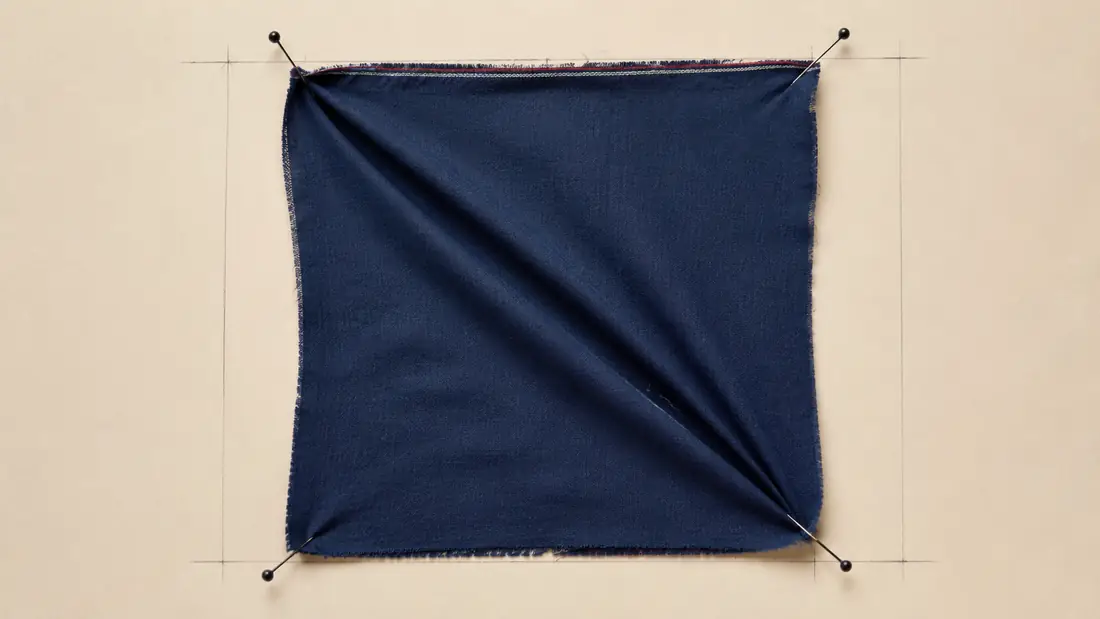
A piece cut at forty-five degrees sits inside a square much larger than the piece. This is why a simple slip dress can want more cloth than a shirt with sleeves and a collar.
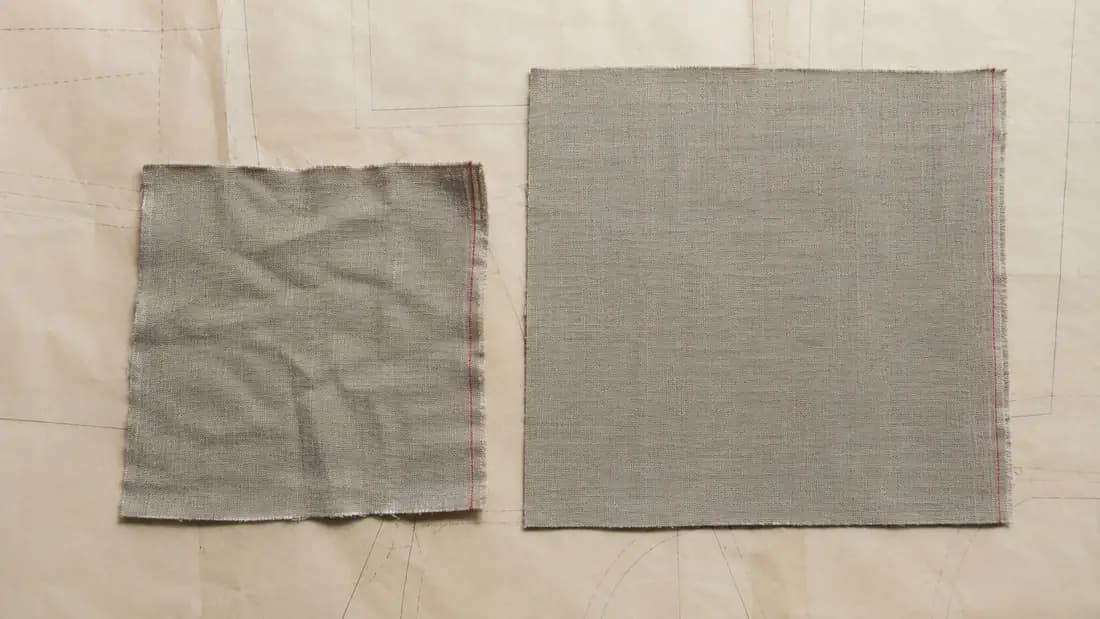
Cloth moves the first time it is washed, and it moves before you cut, not after. A reserve is held back for it here — but how much a particular cloth really moves is not something this can know.
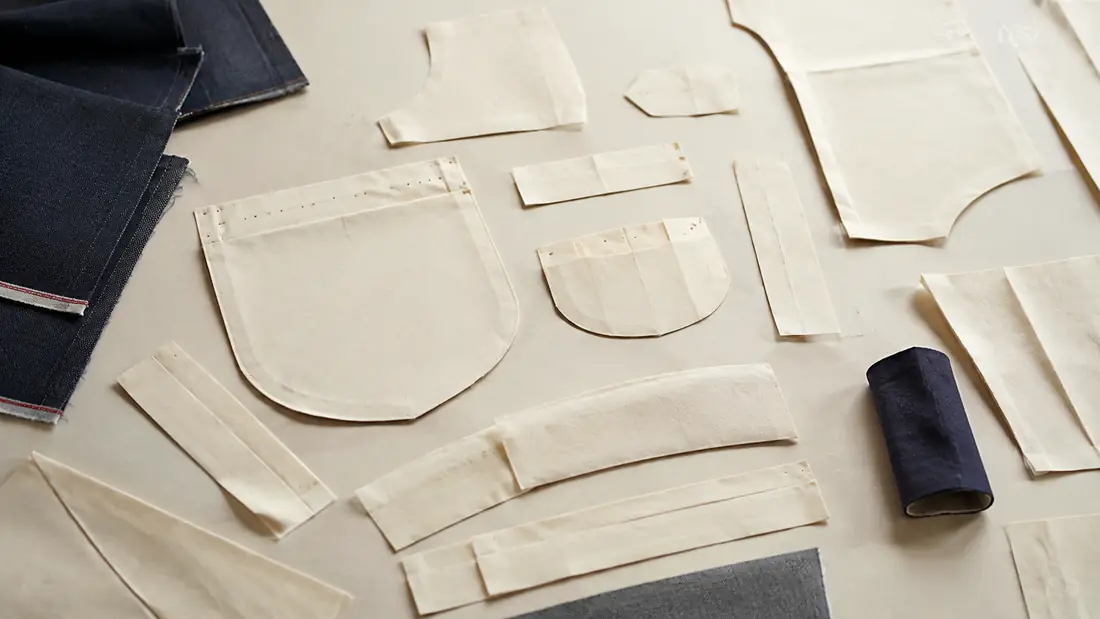
Facings, plackets, cuffs, waistbands, pocket bags. Nobody counts these when they measure a finished garment, and they are the usual reason a length worked out from the garment length comes up short.
Garment type and size. No pattern to upload, no photograph needed — most people are holding a bolt of cloth and nothing else.
Drag it or type it. The metres and the cutting layout redraw as you move, so you can see the moment a piece stops fitting across the cloth.
A range in metres, a drawing of where each metre goes, and how much to add on top so a dye-lot difference cannot ruin the garment.
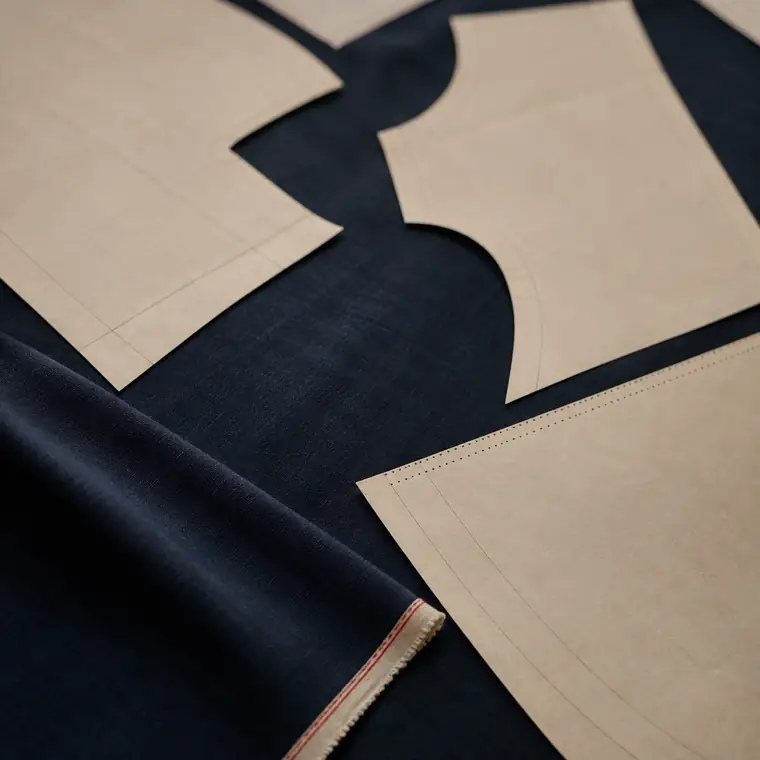
Real output, drawn by the same code that runs above. Every piece carries a hatch and a code so the sheet still works after a black-and-white print in a shop with a tired laser printer.
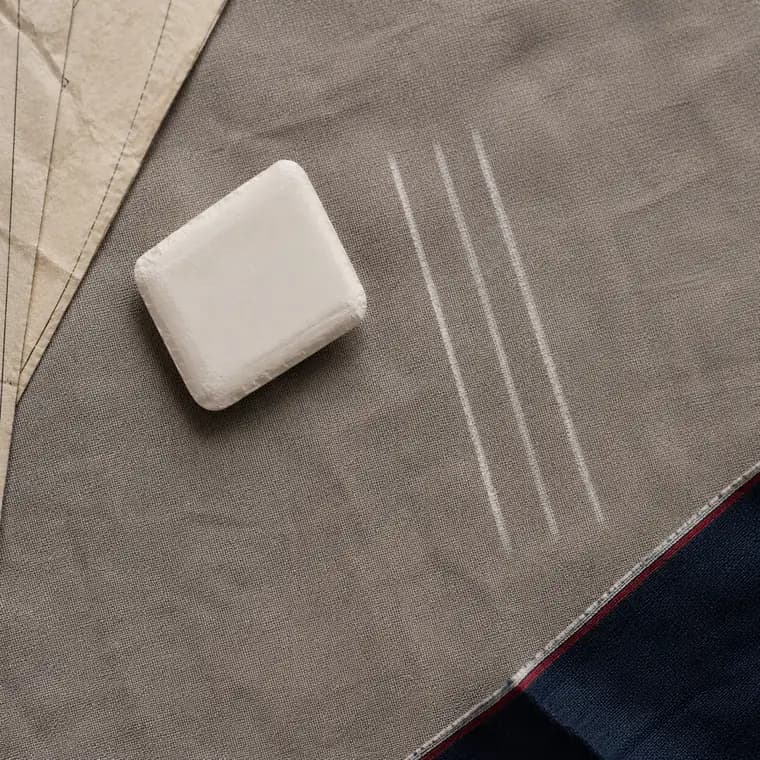
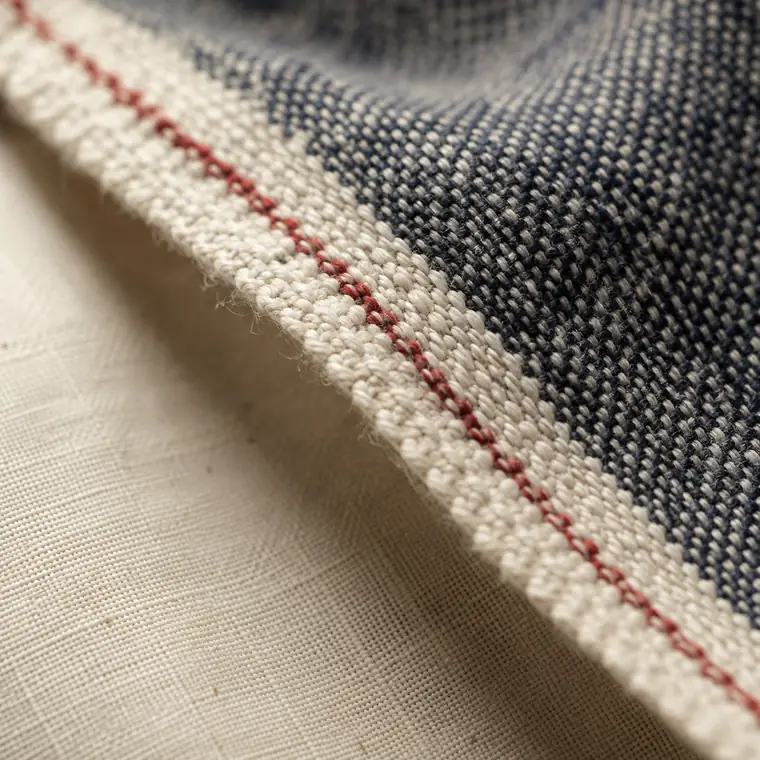
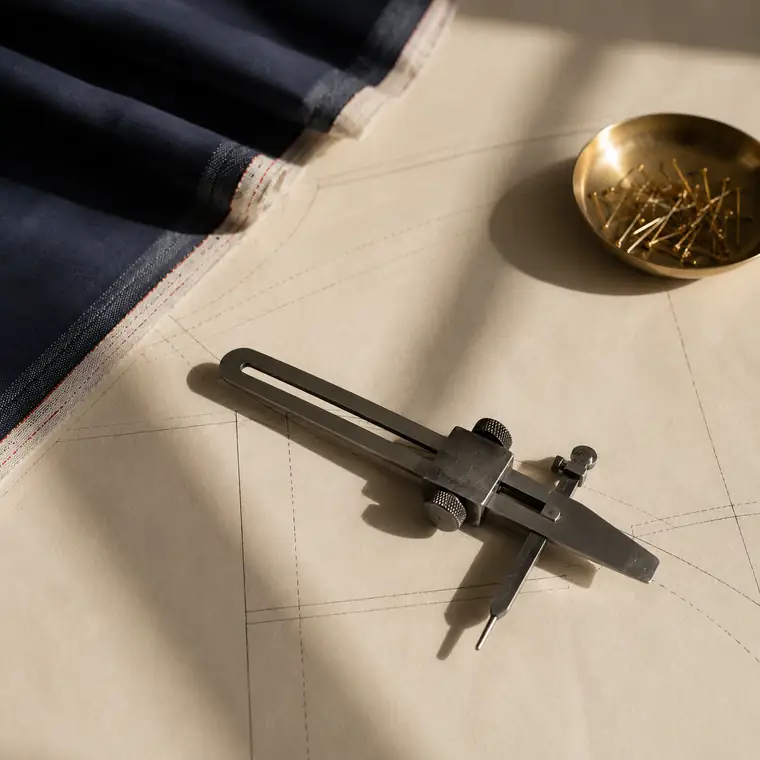
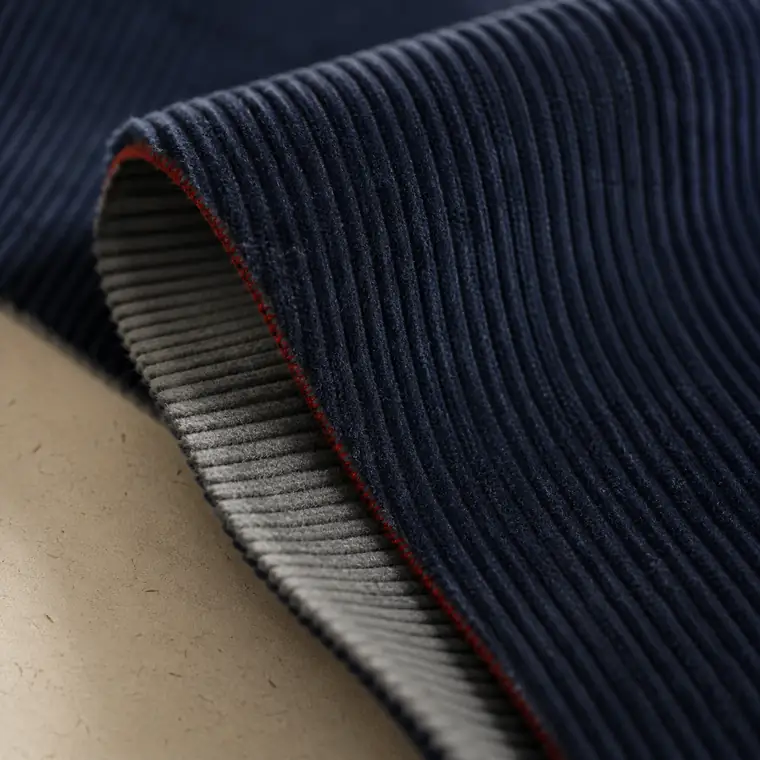
The question the shop asks
The same shirt in the same size wants 1.90 m from a 150 cm bolt and 3.10 m from a 110 cm one. Nothing about the garment changed. Standing at the counter, that comparison is the decision — and it is the one thing nobody offers to work out for you.
How the figure is builtThe free tier gives you the whole calculation, including the margin advice and everything it cannot know. What you pay for is putting several widths side by side and taking the sheet with you.
$0USD / MONTH
no card, no expiry · IVA 23% included
Enough to settle one project a month.
$7USD / MONTH
or $67 USD per year · IVA 23% included
For standing at the counter with three bolts in front of you.
$21USD / MONTH
or $202 USD per year · IVA 23% included
For several garments cut from the same length.
Allowances are a monthly amount of use, not money. They do not carry over, cannot be topped up and cannot be cashed out. Subscriptions renew automatically until cancelled, and cancelling takes one click from your account page. Full plan terms.
No account needed for the calculation. The margin advice and the list of things it cannot know are never hidden behind anything.

